
The Impact of Electric Motors on Modern Manufacturing
Electric motors have revolutionised modern manufacturing, driving efficiency, productivity, and innovation. In this blog, we will explore how electric motors have transformed manufacturing processes, their benefits, and the future of electric motors in this critical industry.
Introduction to Electric Motors in Manufacturing
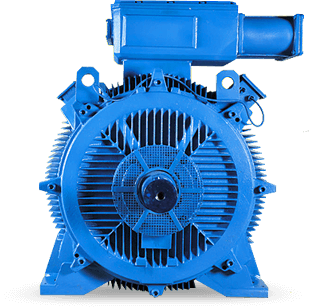
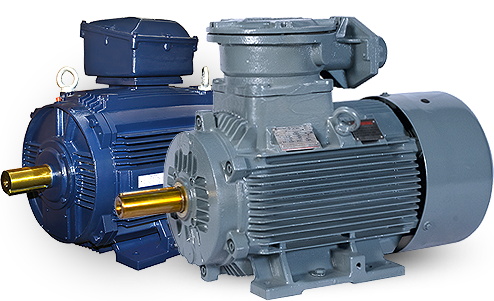
Electric motors convert electrical energy into mechanical energy, making them integral to various manufacturing processes. From assembly lines to material handling systems, electric motors power the machinery and equipment that keep factories running smoothly. Their reliability, efficiency, and versatility make them indispensable in modern manufacturing.
Enhanced Efficiency and Productivity
One of the primary benefits of electric motors in manufacturing is the significant improvement in efficiency and productivity. Electric motors provide consistent and reliable power, enabling continuous operation of machines with minimal downtime. This leads to higher production rates and more efficient use of resources.
For example, electric motors are used in conveyor belts to transport materials across the factory floor. These motors ensure smooth and uninterrupted movement, reducing bottlenecks and increasing overall throughput. Similarly, in automated assembly lines, electric motors drive the precision and speed required to assemble products quickly and accurately.
Precision and Control
Electric motors offer precise control over speed, torque, and position, which is crucial for many manufacturing applications. This precision allows for greater flexibility in production processes and the ability to produce high-quality products with tight tolerances.
For instance, in CNC (Computer Numerical Control) machines, electric motors enable precise control of cutting tools, allowing for complex and intricate machining operations. This precision is essential for industries such as aerospace, automotive, and electronics, where accuracy and consistency are paramount.
Energy Efficiency
Modern electric motors are designed to be highly energy-efficient, reducing the overall energy consumption of manufacturing operations. Energy-efficient motors help manufacturers lower their energy costs and reduce their carbon footprint, contributing to environmental sustainability.
Energy savings can be substantial, especially in large-scale manufacturing operations. For example, replacing older, inefficient motors with modern energy-efficient models can result in significant reductions in electricity usage and operating costs. Many manufacturers now prioritize energy-efficient motors to meet sustainability goals and comply with environmental regulations.
Integration with Automation and Industry 4.0
Electric motors play a vital role in the integration of automation and Industry 4.0 technologies in manufacturing. Automation relies heavily on electric motors to drive various robotic and automated systems, enhancing production capabilities and reducing the need for manual labor.
With the advent of Industry 4.0, electric motors are now integrated with advanced sensors and control systems, enabling real-time monitoring and data collection. This connectivity allows for predictive maintenance, where potential issues are detected and addressed before they lead to costly downtime. Smart electric motors can also adjust their performance based on real-time data, optimizing efficiency and productivity.
Case Study: The Impact of Electric Motors in Automotive Manufacturing
The automotive industry is a prime example of how electric motors have transformed manufacturing. In an automotive assembly plant, electric motors are used in various stages of production, from stamping and welding to painting and assembly.
Robotic arms powered by electric motors perform tasks such as welding and painting with high precision and consistency. These motors enable the robots to move with accuracy and speed, ensuring high-quality finishes and strong welds. Additionally, electric motors drive conveyor systems that transport car parts and assembled vehicles through different stages of production, streamlining the entire process.
The integration of electric motors with advanced control systems has also enabled the adoption of just-in-time (JIT) manufacturing in the automotive industry. JIT manufacturing relies on precise timing and coordination, which electric motors provide, to reduce inventory costs and improve production efficiency.
Conclusion: The Future of Electric Motors in Manufacturing
The impact of electric motors on modern manufacturing is profound and continues to grow. As technology advances, electric motors will become even more efficient, precise, and integrated with automation and smart manufacturing systems. Manufacturers who embrace these innovations will benefit from increased productivity, reduced energy costs, and enhanced product quality.
Working with reputable electric motor dealers, such as Bharat Bijlee motor dealers in Ahmedabad, ensures access to high-quality motors that meet the demands of modern manufacturing. By investing in advanced electric motor technology, manufacturers can stay competitive and drive the future of industrial innovation.