

Introduction: The Imperative of Industrial Efficiency
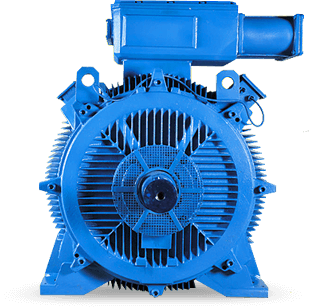
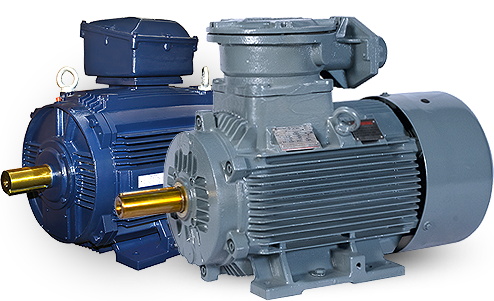
Efficiency is the heartbeat of industrial success, influencing everything from production output to energy consumption. As industries continue to evolve, the role of modern electric motors in optimizing efficiency has become increasingly prominent.
High-Efficiency Designs
Examine the design innovations that characterize high-efficiency modern electric motors. Discuss factors such as optimized stator and rotor configurations, reduced friction, and improved ventilation that contribute to enhanced overall efficiency.
Variable Frequency Drives (VFDs)
Dive into the transformative role of Variable Frequency Drives in industrial applications. Explain how VFDs provide precise control over motor speed, resulting in energy savings, improved process control, and reduced wear and tear on equipment.
Integration of Smart Technologies
Explore how modern electric motors are becoming increasingly intelligent. Discuss the integration of sensors, connectivity, and data analytics that enable predictive maintenance, real-time monitoring, and the ability to adapt to changing operational conditions.
Manufacturing and Automation
Highlight how modern electric motors are revolutionizing manufacturing processes. Discuss their role in powering conveyor systems, robotic arms, and other automated machinery, leading to increased production efficiency and consistency.
Energy Sector
Explore the applications of modern electric motors in the energy sector, from driving pumps and compressors to powering renewable energy systems. Discuss how their efficiency contributes to sustainable energy practices.
Transportation
Examine the role of electric motors in the transportation industry, from electric vehicles to advanced propulsion systems. Discuss how these motors are contributing to a shift towards cleaner and more efficient transportation solutions.
Energy Efficiency and Cost Savings
Delve into the tangible benefits that businesses can reap through the adoption of modern electric motors, including reduced energy consumption, lower operational costs, and improved overall profitability.
Environmental Impact
Discuss the positive environmental impact of using high-efficiency electric motors. Highlight how their reduced energy consumption contributes to lower carbon emissions and aligns with sustainability goals.
Conclusion : Empowering Industries for a Sustainable Future
In conclusion, emphasize how modern electric motors are not just components of industrial machinery but catalysts for transformative change. Their advanced features, efficiency improvements, and diverse applications position them as integral elements in the pursuit of sustainable and efficient industrial practices.
Encourage businesses to explore the possibilities presented by modern electric motors, stressing the importance of staying abreast of technological advancements to remain competitive in a rapidly evolving industrial landscape. As industries continue to strive for operational excellence, the role of modern electric motors will undoubtedly be at the forefront of this transformative journey.