

A Comprehensive Guide to Industrial Motor Maintenance Strategies
Introduction: The Importance of Industrial Motor Maintenance
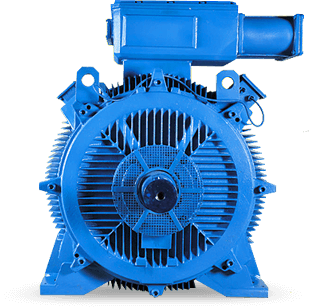
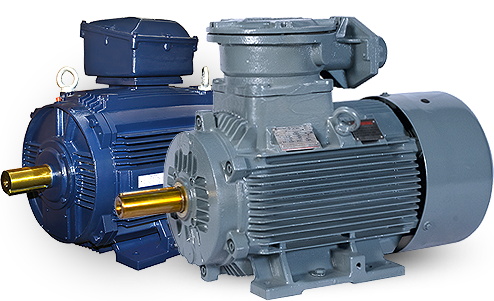
Industrial motors play a pivotal role in manufacturing, making their reliability and efficiency critical to overall operational success. An effective maintenance strategy not only extends the lifespan of these motors but also minimizes the risk of costly breakdowns, ensuring continuous production.
Section 1: Understanding Preventive Maintenance
Definition and Objectives
Preventive maintenance involves scheduled inspections, tasks, and repairs aimed at preventing equipment failure before it occurs. This section will define preventive maintenance and outline its primary objectives, including increased reliability, reduced downtime, and optimized performance.
Routine Inspections
Detail the importance of routine inspections, covering aspects such as checking for signs of wear, loose connections, and abnormal noises. Emphasize the role of a comprehensive checklist in ensuring no critical components are overlooked during inspections.
Lubrication Practices
Explore the significance of proper lubrication in industrial motor maintenance. Discuss the types of lubricants suitable for different motors, the frequency of lubrication tasks, and the impact of lubrication on overall motor performance.
Temperature and Vibration Monitoring
Explains how monitoring temperature and vibration levels can provide early indications of potential issues. Discuss the use of advanced sensors and monitoring systems that enable real-time tracking, helping operators detect anomalies before they escalate.
Section 2: Troubleshooting Techniques
Identifying Common Issues
Provide insights into common problems encountered in industrial motors, such as overheating, electrical imbalances, and insulation failures. Explain how understanding these issues is crucial for effective troubleshooting.
Diagnostic Tools and Equipment
Introduce various diagnostic tools and equipment used in troubleshooting industrial motors. This includes thermal imaging cameras, vibration analyzers, and multimeters. Illustrate how these tools aid in pinpointing problems accurately and efficiently.
Root Cause Analysis
Highlight the importance of conducting thorough root cause analyses when issues arise. Walk through the step-by-step process of identifying the underlying causes of motor failures and implementing corrective actions.
Section 3: Best Practices for Industrial Motor Maintenance
Regular Training and Skill Development
Stress the significance of providing ongoing training for maintenance personnel. Discuss how staying updated on the latest technologies and best practices ensures that the maintenance team is well-equipped to handle evolving challenges.
Documentation and Record-Keeping
Emphasize the importance of maintaining detailed records of maintenance activities. Explore how comprehensive documentation helps in tracking the history of each motor, predicting potential issues, and optimizing maintenance schedules.
Collaboration with Authorized Service Providers
Advocate for collaborating with authorized service providers, such as Technokraft Marketing LLP, for specialized maintenance services. Discuss the benefits of partnering with experts who have in-depth knowledge of specific motor models and access to genuine replacement parts.
Conclusion : Maximizing Motor Performance through Proactive Maintenance
In conclusion, we reiterate the importance of a proactive industrial motor maintenance strategy in ensuring consistent performance, minimizing downtime, and ultimately, maximizing the return on investment. Encourage businesses to adopt a holistic approach that combines preventive measures, effective troubleshooting, and adherence to best practices for long-term success.
By implementing the strategies outlined in this guide, businesses can not only protect their investment in industrial motors but also create a more resilient and efficient manufacturing environment.